
Over the years I've probably put up two dozen fences of one sort or another. And since I started from a state of ignorance which farmers' sons usually pass beyond between the ages of five and six, I have made every mistake but one that it's possible to make. I've put up a fence without bracing the corners. Strung barbwire from the bottom strand up instead of the top strand down. Put the small end of a post in the ground instead of the large. The one thing I haven't done is to use white or gray birch for posts. And there it was poetry that saved me, not common sense. Long before I thought of being a farmer, I had read most of Robert Frost, and could quote from 'Home Burial': Three foggy mornings and one rainy day / Will rot the best birch fence a man can build. It's not even much of an exaggeration.
noel perrin, first person rural
Feb 25, 2012
fencing


Feb 24, 2012
on wagashi
"the wagashi was an exquisitely beautiful miniature persimmon but ultimately forgettable, as all wagashi are." i wrote that years ago, and it is not less true today.
newsflash: pbarry, investigating the minamoto kitchoan in san francisco, reports on wagashi: "if I went the rest of my life without another one, I would not pine."
wagashi: what it is.
Feb 21, 2012
kodawari
more writing on craft and care in work here.
the new york times may have figured it out: instead of short, unpolished articles, how about some quality journalism? today's nyt contains two good reads about quality. the first one was about timothy barrett, the second was about not mocking the artisanal pickle-maker.
corky introduced me to a great japanese word: kodawari (こだわり). the word is now often used to describe cafes in japan where the baristi pay uncompromising attention to detail and quality in the preparation of coffee. (from darryl, other source of information about japan-related esoterica: "kodawari = unrelenting, exhaustive devotion to a chosen small area of expertise.") those interested in kodawari may also enjoy the wall street journal's report on how things are made better in japan.
i get flak all the time about buying into the single-origin, time-temp control, calibrated grind size, ritual of coffee (or chocolate, or wine, or cheese, or whatever). does this kind of nearly fetish-level obsessiveness always translate to a better cup of coffee? and, more important, can you tell even if it did? i lack the discernment necessary to distinguish reliably between the aromas of beans grown in different countries. the real reason i buy into this kind of thing is because it increases my expectation of getting a decent to excellent cup of coffee.
too many times, i've had junk coffee drinks. these are always made by someone whose mind was elsewhere, or who wasn't trained to notice the details that good craftspeople notice. nothing induces more of a sinking feeling in me than ordering a latte and seeing the characteristic greyish tinge of what will inevitably be a bitter yet tasteless brew. this is invariably accompanied by the barista spooning froth onto the top of the drink to imitate the microfoamed texture of correctly-steamed milk. the final insult is to be asked to pay an enormous sum for this junk beverage (i always do, filled with resentment).
if junk coffee (or food, or furniture, or software) is the price of spontaneity and openness to serendipity, sign me up for having the guy behind the counter calibrate his grind several times before pulling my espresso, time my pourover's extraction with a stopwatch, and measure his water temperature with a thermocouple. there is an element of showmanship and ritual here, but also the reasonable expectation that the coffee will, at very least, be made with an attempt at care.
and then, on the other hand, there's patience gray on winemakers:
In Apulia, the cultivation of the olive has always gone hand in hand with the vine. Planted together, the olive trees come into their own forty years later when the vines are in decline. It would be odd indeed to make your own oil without also making your own wine. For this an apprenticeship, not scholarship, is required, which the Sculptor served during the years we spent in the vineyards above Carrara. Everyone agrees that the magnificent wine he makes is better than the neighbours'. There are many reasons for this, one is that nothing is put in it, medicaments I mean. An artist who has taken risks all his life accepts the risk of his wine "going off" and only takes the more care of his barrels. The agriculturalist spoils his wine by "making sure."
from honey from a weed, which is certainly worth a read
a rectangle of radiant simplicity
The finished product was a rectangle of radiant simplicity, an unfancy, richly hued blank presence that was the predictable result, Barrett insisted, of selecting proper materials, preparing them in patient, time-honored ways and approaching their manufacture with a spirit of total dedication. “This is pretty much how it was done for 1,800 years,” he remarked. “By hand. One sheet at a time.”barrett worked at twinrocker paper for a while. the mark of the maker is a short documentary about them, and is worthwhile.
Feb 13, 2012
the sandwich report
yesterday, we went to canteen on mass ave for lunch. the BLT was a marvel. thoroughly browned and ultra-crisp hot bacon, decent tomato thinly sliced, snappy leaves of bright chilled romaine, avocado, red onion shavings, pepper mayo and a vinaigrette, on a warm, split-griddled iggy's focaccia roll. additional saucing in the form of a soft-yolked fried egg. $9.35 after tax: execution success.
getting off at the wrong stop meant a short walk through downtown boston. on a bright, warmish winter day, this was not a hardship. on the way, i passed by foumami ("the asian sandwich bar") and stopped for a sandwich made on shaobing, a variety of chinese pastry. freshly made, shaobing are marvelously flaky and tender. they become tough and untasty if allowed to cool or if reheated in anything but a quick, dry oven. so it was for foumami's shaobing, pulled from a holding oven set at 170F. the bread was not rescued by the filling, an uninteresting clump of thinly sliced chilled pork loin flavoured with cilantro sprigs and some shaved cucumber. $8.51 after tax: execution failure.
in the north end, galleria umberto was selling out of its last items. i missed the pizza (by one slice!), panzarotti, and the arancini but managed to snag the last ham, salami, and ricotta calzone. it was milky, faintly salty, richly savory. $4.25 after tax: execution success
and then i spent a lot of someone else's money at the store we all dream of working at, buying some rather interesting stuff.
Feb 12, 2012
bondir
bondir was already confident, understated, unusual, coherent, and generous a few weeks after it opened in december 2010. i've been back many times since. always reluctant to write about it, i was hoping to keep it from being overrun by the hordes. we all know how well that works. we went back for dinner after a long break and bondir is better than ever. the highlights:
a warm, firm yet creamy sac of shad roe coated in bread crumbs then sautéed (possibly even shallow-fried) in butter, with a scattering of spinach leaves, bacon, red onion and kohlrabi batons dressed in a vinaigrette made with confit yuzu (which tasted like kumquats). the whole roe sac is presented, an approximately crescent-shaped mass about the length of a beer can. this can be intimidating to the diner expecting something like salmon or flying-fish roe. the first bite erases all trepidation: it has the crunch of a great japanese croquette, and a mild but permeating sea flavour. shad, as is common knowledge, is an anadromous fish and the subject of john mcphee's book the founding fish.bondir's idiom is confident simplicity, inside which many complex and comforting layers unfold. service is unassuming and unobtrusive, competent, warm, well-informed, and unpatronising: a balance that any good restaurant seeks and few achieve. exotics and foraged ingredients are used often but in small, almost unnoticeable ways. they are not referenced in the menus but contribute bursts of unfamiliar or vaguely familiar flavour: allusion rather than outright statement. the casual diner passes by noticing nothing and enjoys the dish regardless; the gastro-nerd notices and his enjoyment is different but not deeper. the flashy-flash way to do seasonal food is to renovate the menu wholesale each day; bondir adopts the quieter approach of gradually introducing new components to each dish while retiring others. continuity with change, evolution instead of revolution. as with another instant favourite in tokyo, going back to bondir is an occasion for both pleasant familiarity and delicious surprises.
butter-poached lobster was the perfect texture, a soft and yielding crunch. the "celerisotto" underneath was outstanding: celeriac pieces cut down to the size of rice grains and cooked the texture of lightly al dente rice, in a light but creamy binding. the whole dish was dressed with an oily salsa verde, and adorned with raw discs of yellow carrots, brussels sprout leaves, and a few splinters of caramel made with kalamata olive. the faint sweetness of celery without its pungency, the strong green flavour of the salsa, the sweet brine of the olive caramel and the lobster. a wondrous combination.
chocolate panna cotta, which was a solid trembling on the edge of deliquescence. this is a simple but not simplistic thing, and its simplicity leaves no room for execution failure. edward espe brown says: "Preparing things simply is deceptively difficult, since there is no way to cover up our mistakes." (on execution failure in panna cotta, also see this diatribe.)
confit sunchokes on a piece of warm gingerbread with strips of quince leather and a lemon mousseline. the slowly cooked sunchokes became a translucent deep brown with the same chocolate and caramel overtones as the quince leather. with the warm spices in the gingerbread and the cool, tart lemon cream, the ideal meal-ender on a cold night. everything about this is tradition, tradition, tradition, and yet it isn't traditional. it looks unassumingly simple and yet it isn't simple. among the desserts, people seem to love the the tangerine dream, which is on the menu a lot: toasted meringue on top of gènoise layered with vermouth-infused tangerine pieces, and thyme-buttermilk ice cream. good, complicated-looking, spectacular, but too obvious! the much simpler-seeming desserts are where its really at: the crostatas, the cakes, the panna cottas.
francois chidaine's clos habert, a demi-sec 2009 chenin blanc from montlouis-sur-loire which was at once brilliantly acid and full of subtle sweetness. while i usually go straight for the acid, this one was best—taut and unctuous, lightly vinous—a little bit off the ice.
Feb 11, 2012
everything is relative
A scale is meaningless when some days you feel light and some days you feel heavy.
jim harrison, then and now
Feb 8, 2012

Feb 7, 2012
the land breathing
Watching the animals come and go, and feeling the land swell up to meet them and then feeling it grow still at their departure, I came to think of the migrations as breath, as the land breathing. In spring a great inhalation of light and animals. The long-bated breath of summer. An exhalation that propelled them all south in the fall.
barry lopez, arctic dreams
Feb 5, 2012
yat ka mein
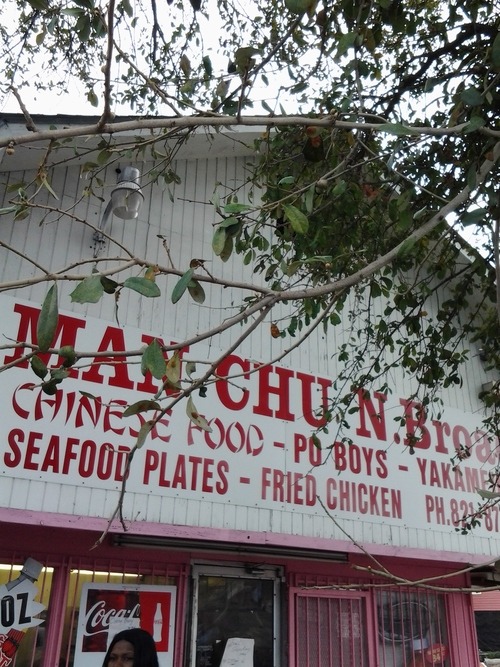
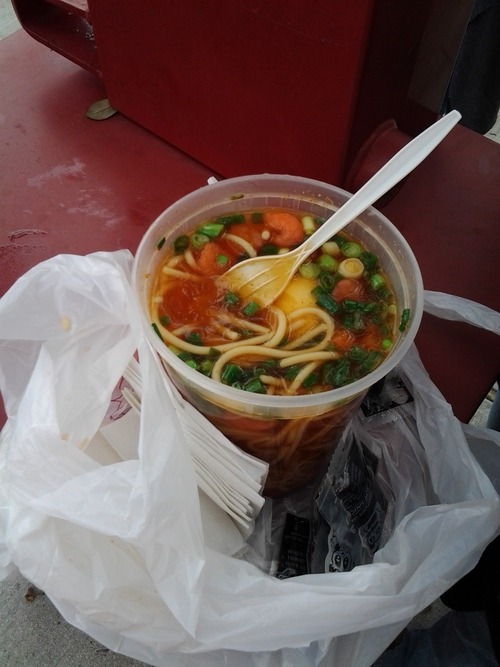
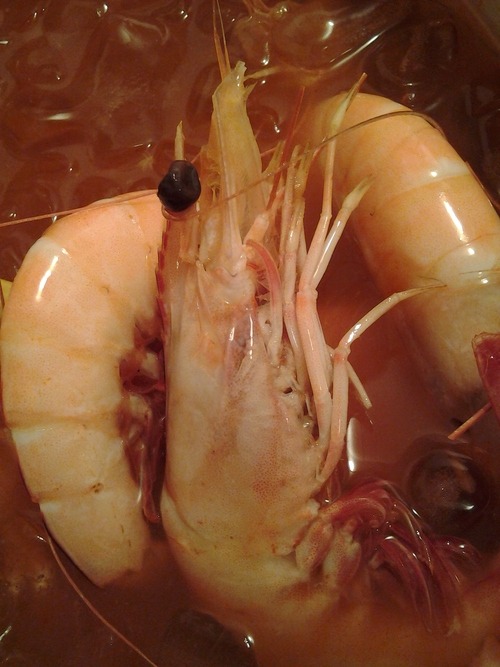
in lucky peach 1, yat ka mein was depicted as a restorative, like menudo or kimchi. it didn't sound appetising: scallions, spaghetti, and pick-your-protein, in a soup spiced with cayenne. we were on north broad street lagging behind the treme sidewalk steppers sunday second line when the man chu hut, a pink-painted yat ka mein institution, loomed on the left. fate, as we know, looks askance at those who turn opportunity away when it knocks with a quart of soup noodles in its other hand. the yat ka mein was surprisingly tasty. the jury is still out on the oddly red shrimp.
Feb 4, 2012

Feb 2, 2012

Jan 27, 2012
Jan 17, 2012
waiting can be fun

Jan 14, 2012
the last two weeks: highlights
write
library run
write
need another book
library run
write
discard writing
coffee
drink 30 year-old two buck chuck
coffee
soup
coffee
fruitcake
write
"this is the wrong book."
library
revise
scotch
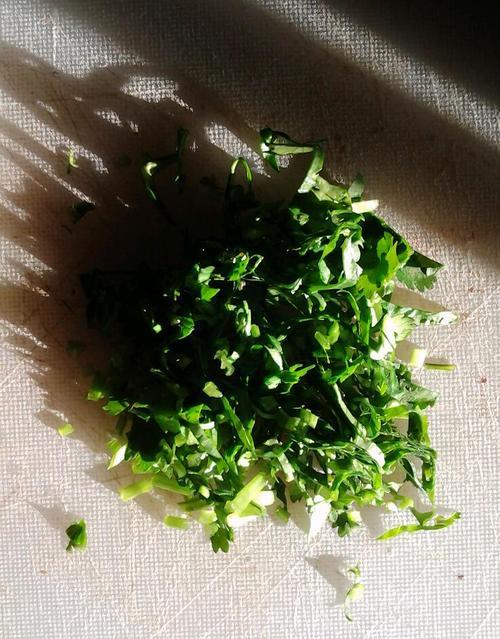
kale
revise
"let's talk about the semantics of this metabolic pathway"
torta from mike and patty's (exc)
nap
initiate transfer of domains to namecheap
godaddy representative: "i am sorry but i cannot explain why this harebrained godaddy policy exists [in contravention of ICANN's policies]" (i paraphrase liberally)
become infuriated by godaddy
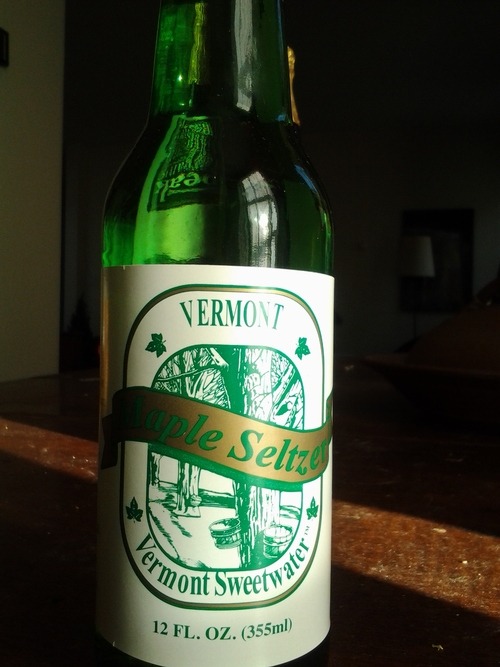
beer

Jan 10, 2012
Jan 8, 2012
Jan 6, 2012
the type itself

The type—almost the only type in existence from the original Caslon foundry—survived almost unused at Oxford because the opportunities for printing Etruscan were naturally so limited as to be virtually non-existent.typefoundry writes infrequent articles on typographic history that are well worth reading.
Jan 5, 2012
Jan 4, 2012
learning to eat
the child learns quickly how to convert the measurable chemical and physical stimuli reaching it from the exterior into an esthetic estimate of quality—the transfiguration of mathematics into emotion. It discovers what it likes and what it does not like within the ecology of which it is a part—the biological ecology (the plants and animals it eats because they occupy the same habitat) and the social ecology (the eating habits of the society in which it lives). Once learned, these judgments harden into prejudices. That is why it takes so long for an unfamiliar food to be accepted in regions uneducated to appreciate it.
waverley root, food, p394
Jan 1, 2012
the occasional annual ramble
home for three weeks in january for a wedding in the family, i discovered the beginnings of a coffee culture in singapore, one that gets the coffee right and the space too (here and here). reports from the field suggest that third (or even fourth) wave cafes are proliferating with astounding speed. i also discovered that food in singapore, once effortlessly and inexpensively tasty and full of heart, is now depressingly pricey and mediocre. i stopped in tokyo on the way back to cambridge. i'm glad to have seen japan again before the tsunami and fukushima devastated the country. it remains one of the few places where things are done right. we had a remarkable and understated dinner at tsuru ni tachibana that remains high on my incomplete list of nearly perfect meals (also see these frustrating updates from our field correspondent, who lives close by).
back in frosty massachusetts, i managed to slice my left index finger open while cutting bread. that was fun. some of us caravaned north to madison, NH, to celebrate a birthday with a lot of scotch. after many months, i became a regular at the hi-rise on brattle street (a single shot gibraltar is the drink). i visited lake forest again, to give a talk on telling stories with maps. one day at the hi-rise, club sandwich is born: nerds who meet sporadically for coffee and discussions that provoke nearby customers into fits of anger. mac and i thought briefly about rehabilitating a used rotavap for nefarious but delicious purposes (yet another case of execution failure).
spring came, damply. i went to dc several times to visit a field site. my respect for their operation grows and grows. each visit was the occasion for some informative drinking with the person behind the quite fine selections at ledroit. some long negotiations bore fruit, opening the way to a summer in denmark and the uk. meanwhile, the landlord at 32 chatham st, finally realising the value of his property, raised the rent by 25%. it was a nice apartment—but not that nice. i disposed variously of 50% of my stuff, in preparation for moving.
spring came, damply. i went to dc several times to visit a field site. my respect for their operation grows and grows. each visit was the occasion for some informative drinking with the person behind the quite fine selections at ledroit. some long negotiations bore fruit, opening the way to a summer in denmark and the uk. meanwhile, the landlord at 32 chatham st, finally realising the value of his property, raised the rent by 25%. it was a nice apartment—but not that nice. i disposed variously of 50% of my stuff, in preparation for moving.
i moved may 31 and left for copenhagen on june 1. this was not the best idea. but denmark in the summer! what a great place. light in the sky til 10, then 11pm, and people everywhere who know how to enjoy a brief but beautiful season. i went to aarhus for a bit, to the beautiful new restaurant malling & schmidt where i ate a piece of very old beef that made me go to northern sweden (on which, see below), then came back down to copenhagen. at the field site, i encountered generosity, openness, strange architecture, and odd but tasty foods (here, here, here, here, and here). those were some long days, standing in the corner of the kitchen washing dishes while watching people think and cook. the danes know their flaky baked goods and are the best dinner conversationalists i have ever met: dinner with a pair of apple growers lasted 8 hours (they harvest unripe apples to add acidity to their cider, and freeze them until the main crop ripens fully). there was an experimental dessert that opened a new book, and a wine bar with great taste. my last full day in copenhagen, i had a nice surprise, then late in the day the skies poured down on the city a vast amount of rain. this washed away the tents at the roskilde festival and sent people running to their basements to survey their submerged belongings with dismay.
after denmark, straight on to london. another field site, a very different sort of place, for a week. i have never seen a more completely utilised kitchen. while in london, i also had the opportunity to try several health foods from st john.
oslo is a tiny city with incredible tap water (cold and ineffably pure-tasting), staggeringly expensive and mysteriously mediocre food, and the world's best snack. we left nearly immediately for fäviken magasinet, nine hours drive north and over the border in sweden. this tiny restaurant, by virtue of its remote location, can create for those who eat there a complete experience of hospitality. the carnivorous should note that lucky diners are sometimes served perfectly roasted pieces of beef raised and slaughtered on the property, then dry-aged in a casing of fat for many months (sometimes as many as seven). this meat is extremely good to eat. magnus nilsson, who runs the kitchen, has been experimenting with ways to grow and preserve meats, fruits, and vegetables so that the abundance of the swedish summer extends throughout the year. the small scale of his restaurant and its location on an enormous and productive property lets him do things which other chefs in the nordic region want to do but cannot. their kitchen garden aims for flavour and the ability to continue to produce the same amount and quality of food indefinitely (as measured by the amount of biomass and nutrient loss in their soils). for these goals they have sacrificed productivity and ease of cultivation. after dinner, which begins at 5pm and ends well past midnight, it is nice to stumble upstairs and fall immediately into bed. the next morning, if you wake up early enough, it is possible to dive (sky-clad, if you desire it) into the nearby lake. this brisk and bracing activity will help you become morally fibrous. a large breakfast appears shortly thereafter featuring, among many, many other things, a thick porridge of mixed grains and seeds (crushed semi-pearled barley, oats, sunflower seeds, flax seeds, and hazelnuts).
we dropped one of the fellow travelers off in trondheim, then drove down through norway, taking the E6 through the mountains. our destination was oslo by way of oppdal, where we spent the night in a moss-roofed smokehouse temporarily occupied by a geologist. back in oslo, the weather was nice, then it was not. one day, while i was out buying some smash about a mile from the norwegian ministry of petroleum and energy, i noticed that everyone had stopped moving. the bombings in oslo city center, then the shootings on utøya, consumed our attention for hours. the next day, the city was quiet. the norwegian response to this extremist right-wing act was dignified and completely correct: "our answer to violence is more democracy."
it was good to be back in cambridge after two months away but, almost immediately, i left again for a wedding in cleveland. this is not a city to go to in the depths of summer. the schedule was sufficiently condensed that we did not even get to try the fabled and splendid starch-stabilised ice creams made by jeni. but a wedding held in the presence of dinosaurs was more than sufficient compensation.
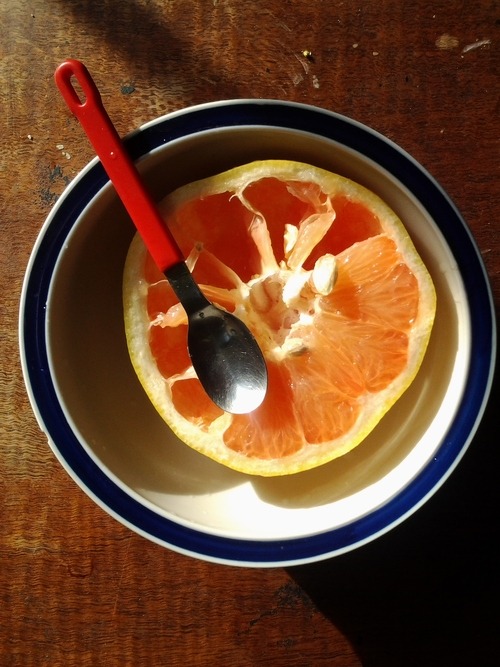
back in cambridge, a friend from home came to visit and we installed 30 linear feet of industrial shelving in the apartment to accommodate our large and growing collection of cooking equipment and supplies. i discovered that the hi-rise on brattle street was to close forever. this made many of us unhappy. then, in mid-august, we left town again for charlottesville. driving there from dc, grapefruit proved vital for public safety. we entered the city as black clouds gathered overhead, and got to our rooms just in time for lightning to brighten the sky and tremendous gusts of wind and waves of hailstones to blow through. the lights went out across the street, and then went out in the building. gravel from driveways littered the darkened streets as we drove downtown in search of dinner. only bizou was open, but this old favourite from a decade ago was exactly right. the hot, moist air left behind by the storm had dissipated slightly after dinner but the smell of ozone remained. after this tempestuous opening, the weather became benign and conducive to morning coffee, walking about, and long dinners. a nice time was had by all, with some exceptions.
i flew from dc to sfo for a wedding in pescadero. this was great (as you can see). san francisco is ever the same: hills, beautiful weather, wondrous produce, happy people, great coffee (also see here), in-n-out, krispy kreme, and many dogs. but, you ask, where is the moral fibre? this is a good question. then some very last minute negotiations saw me abandoning my ticket from sfo to boston and flying instead to copenhagen again, for planting thoughts, a symposium about the future of food. the one thing you don't expect on arriving in copenhagen, but which is marvelous, is an indian dinner. behind the scenes, the organization of this first mad symposium was fraught. the morning of the first day, an enormous thunderstorm nearly brought down the symposium's circus tent and left the field completely saturated. locals came wearing waders and rainboots. i spent the week squelching around, never completely dry. but meeting lots of interesting people. symposium details here.
back to cambridge in september. i sat down to digest hundreds of pages of fieldnotes from the summer and write a dissertation prospectus. it would not be inappropriate to describe these two processes as "slow," or even "meandering." in october, the new hi-rise on wendell street finally opened to general rejoicing. by intent, its ceiling looks like the scrubbed pine floor of a swedish farmhouse.
the fall was brilliant: warm and dry. a good growing season in the northeast, so the markets overflowed (the apples were particularly good this year, if difficult to identify). it was not perfect weather for making kimchi, but the process seemed to work anyway. late in the season, various individuals converged on stockbridge, MA; some of us made a return visit to nudel, in lenox. we hope this will be an annual event.
now, we are in the depths of winter, but fall hasn't really left us. other than several hours of wet slush during a visit from some detroit food entrepreneurs and a few isolated flakes on christmas morning, we have had no snow. this winter has been unseasonably warm, in contrast with last winter which was brutal and involved many days of wintry mix and glassy frozen sidewalks. to celebrate, i freed myself from the tyranny of AT&T and apple.
the fall was brilliant: warm and dry. a good growing season in the northeast, so the markets overflowed (the apples were particularly good this year, if difficult to identify). it was not perfect weather for making kimchi, but the process seemed to work anyway. late in the season, various individuals converged on stockbridge, MA; some of us made a return visit to nudel, in lenox. we hope this will be an annual event.
now, we are in the depths of winter, but fall hasn't really left us. other than several hours of wet slush during a visit from some detroit food entrepreneurs and a few isolated flakes on christmas morning, we have had no snow. this winter has been unseasonably warm, in contrast with last winter which was brutal and involved many days of wintry mix and glassy frozen sidewalks. to celebrate, i freed myself from the tyranny of AT&T and apple.
the days are short but they've begun to lengthen again. in the late afternoons, it is nice to lie on the floor under the skylight and doze off in the sunshine while pretending to read an Important Scholarly Paper. the river flowing right outside my window remains ice-free. and today, on the first day of 2012, i went for a run in the sun and a t-shirt.
i'm grateful for small things and big things too.
i'm grateful for small things and big things too.
the ottoman empire
the people of cambridge prefer their meat from the butcher's case. lucky for the two turkeys that roam our part of town. they favour the front yard of the neighbours across the street and can often be seen there pecking placidly for hours, watched wistfully by firmly leashed dogs.
the carcase of a poorly carved roast turkey, simmered for several hours, produces a pale cloudy stock that cools to a firm gel. warm a few lumps of this jelly in a few cups of water, add some napa cabbage, garlic, a handful of cilantro, some green onions—a soup that restores and purifies.
gnu beer
yesterday, there was a run on black-eyed peas, which are a traditional food for some people on new year's day. a few specimens rattled about in the appropriate bin in the bulk dry goods section, and there was a conspicuous gap on the shelf where the canned ones would have been. "we normally stock lots, but this year people just clean wiped us out." oh well.
fortunately, we got our fix anyway. hoppin' john, cranachan, long noodles, citrus fruit, chestnut dumplings, and effervescent beverages as the year turned.
Subscribe to:
Posts (Atom)